How Much Does Yoga Teacher Training Cost? US vs Abroad (2026)
November 9, 2026·4 min read
A 200-hour training in the US usually prices tuition alone. Abroad, the same number often includes your bed and every meal. Here is how to compare the true cost.
A 200-hour yoga teacher training in the US commonly costs somewhere between $2,000 and $5,000 in tuition alone, and many programs run over several months of weekends. A residential training abroad, in Nepal, India or Bali, often costs less in total, even after flights, because the price usually includes accommodation and meals for the whole course. The catch is that "cheaper" headline prices are not always comparing the same thing. This guide shows you how to compare them properly.
What a US training actually costs
US studio trainings are usually priced as tuition only. That number covers the teaching hours and often the manual, and nothing else. On top of it you will often pay for:
Required reading: typically a handful of books on anatomy, philosophy and teaching
Missed work: weekend-format trainings stretch over three to six months, and intensives need two to four weeks off
Travel to the studio: gas, parking or transit every session
Yoga Alliance registration: after you graduate, Yoga Alliance charges a one-time application fee and an annual membership fee to register as an RYT. Their current fees are listed here.
The registration fees are the same wherever you train.
What a residential training abroad includes
At a residential school, you live where you study. A good residential price includes:
your room, for the whole course
meals, usually two or three a day
the training, manual and certificate
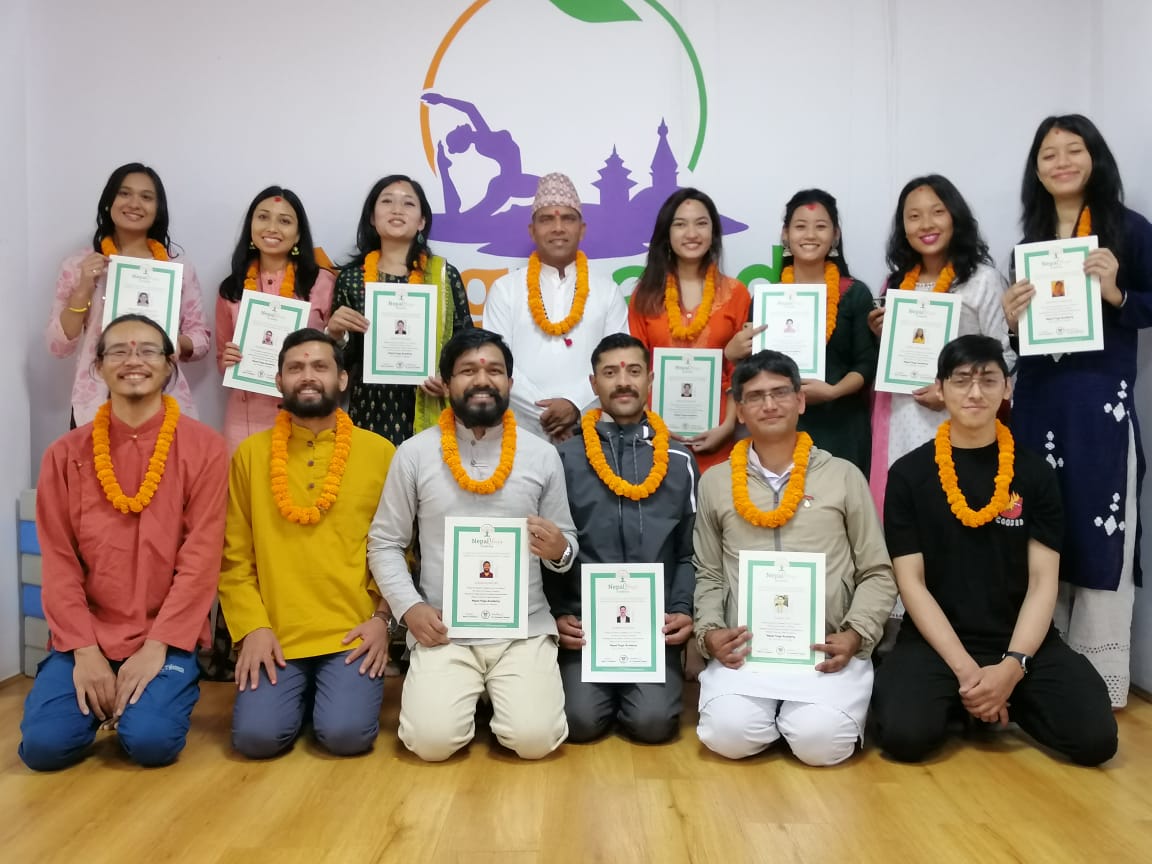
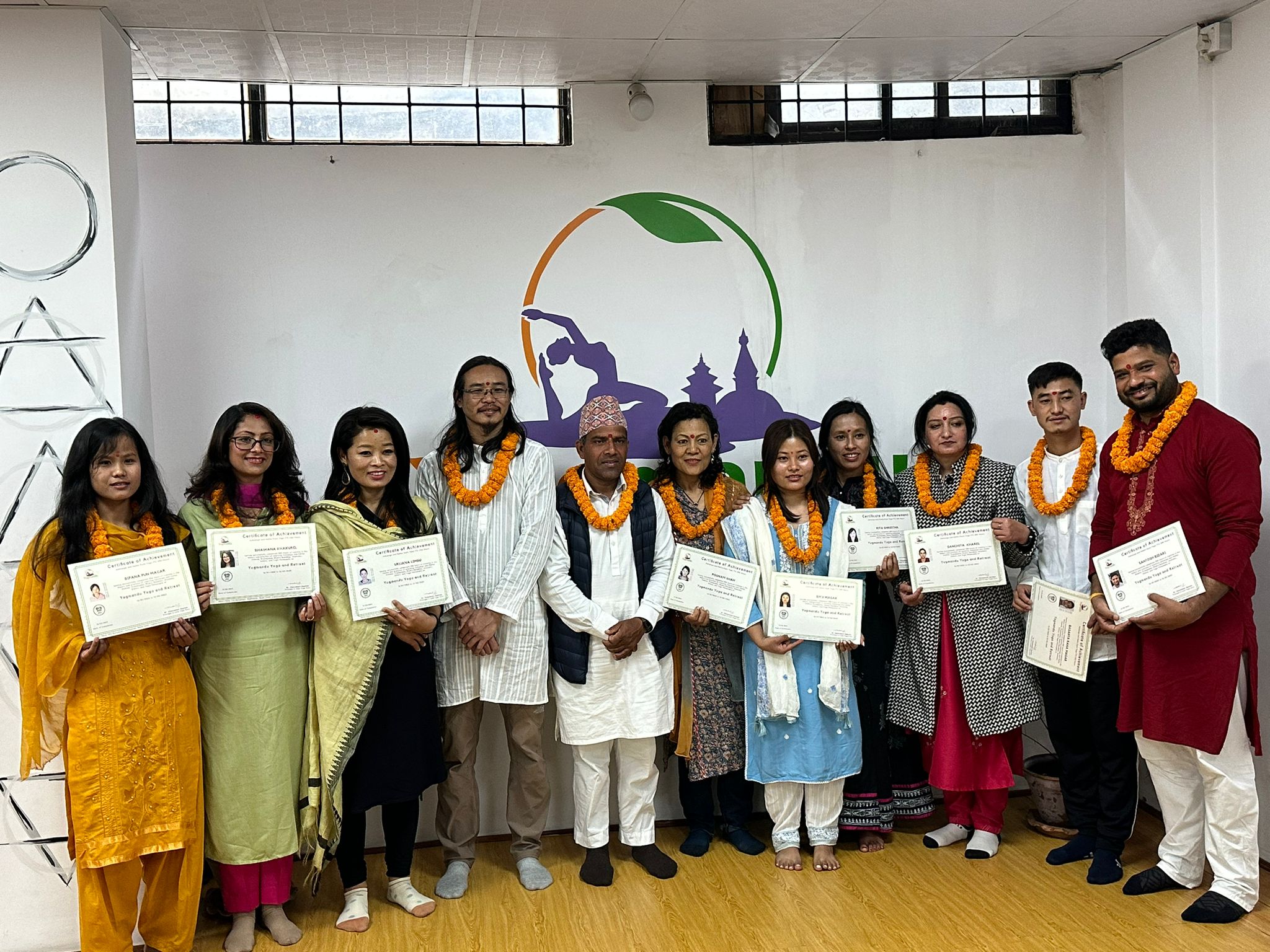
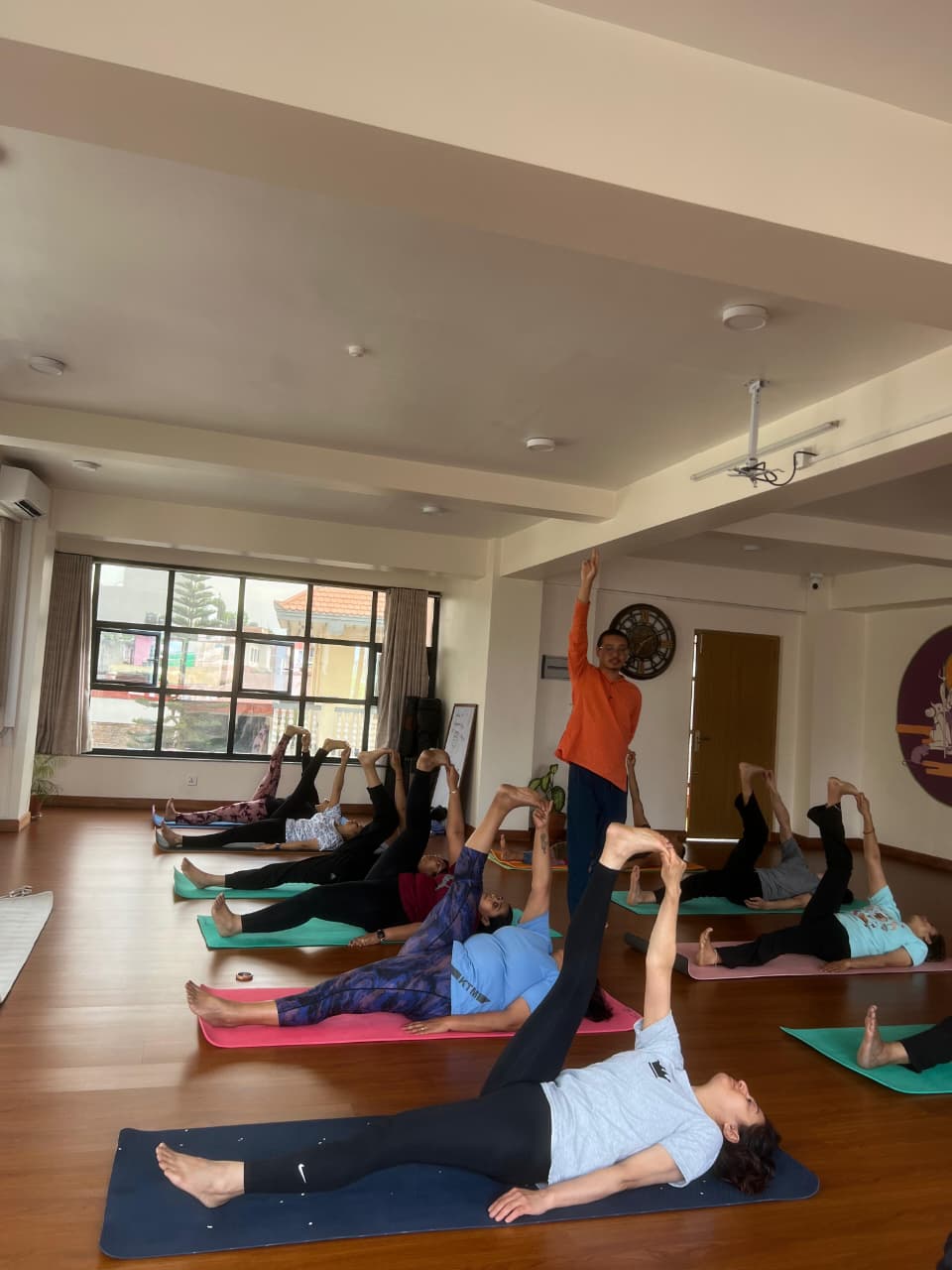
At Yogmandu in Kathmandu, the residential rate includes 25 nights of shared accommodation, three organic vegetarian meals a day, unlimited herbal teas, a shatkarma cleansing kit, two Ayurvedic massages, the training manual and the Yoga Alliance RYT 200 certificate. The current price is on the teacher training page, with nothing hidden behind an inquiry form.
The costs abroad that people forget
Be honest with yourself about these before you compare:
Flights. From the US to Kathmandu there is no direct flight. Most students connect through Doha, Istanbul, Delhi or Bangkok. Prices vary widely by season and how early you book.
Visa. Nepal offers US citizens a visa on arrival, priced by length of stay. India requires an e-Visa in advance. Check the official immigration site for each country before you budget.
Travel insurance. Get a policy that covers medical evacuation. Health services outside major cities in Nepal are limited.
Spending money. Day trips, souvenirs, taxis and the occasional meal out.
The days either side. Arrive at least a day early to get over jet lag, and you may want to travel afterward.
A fair way to compare
Take each option and fill in the same columns:
tuition
accommodation for the length of the course
food for the length of the course
travel to get there
time off work
registration and books
Only then compare totals. A $1,000 training that excludes a month of rent and food is not cheaper than a $1,400 one that includes them.
Nepal vs India vs Bali
India (Rishikesh, Goa, Kerala): the widest choice and some of the lowest prices. Quality varies a lot, so research the school, not just the town. See Rishikesh vs Nepal.
Nepal (Kathmandu, Pokhara): prices are similar to India. There are fewer schools, which tends to mean smaller groups. Visa on arrival for US citizens.
Bali: usually the most expensive of the three, with polished retreat-style venues and prices to match.
The cheapest option: online
If flying is not possible right now, a live online training is the lowest-cost route to the same credential. Yogmandu's online 200-hour training is taught live over video on US-friendly hours and awards the same Yoga Alliance RYT 200 certificate as the residential course. It costs less because there is no room and board attached. Hours studied online are recognized if you later come to Kathmandu to finish in person.
Is it worth it?
That depends on what you want from it. If you plan to teach, the RYT 200 is the standard credential US studios ask for. If you never teach, many graduates say the training changed their own practice more than anything else they have done. The money question is really this: what do you want to come home with? A certificate is one answer. A daily practice you understand from the inside is another.
Questions people ask
Do I need to be advanced to do a 200-hour training?
No. The 200-hour is a foundation course. If you can keep a regular practice and you are curious about why the practice works, you are ready.
What deposit do schools ask for?
It varies. Read the refund terms before you pay anything. Ours are published in full on our refund policy page.
Can I pay in US dollars?
International students pay Yogmandu's published rates in US dollars. Deposits and payment are arranged by email when your place is confirmed, so write to us with the month you have in mind.
Study this in person
Classes, teacher training and retreats in Kathmandu, and live online sessions wherever you are.