Breathwork vs Pranayama: What's the Difference?
November 9, 2026·4 min read
Breathwork is one of the fastest-growing wellness trends in the US. Most of it borrows from pranayama, the yogic science of breath, without the structure that makes it safe and progressive.
"Breathwork" is a broad modern term for any deliberate breathing practice, from box breathing to Wim Hof to holotropic sessions. Pranayama is the specific, much older yogic system of breath control, taught as a progression of techniques with set ratios, postures and preparation. Much of what is sold as breathwork today is drawn from pranayama, or reinvents parts of it. The main difference is not the breathing itself but the structure around it: what you learn first, how fast you progress, and who is watching.
Interest in breathwork in the US has roughly tripled over the past five years, according to Google Trends. That is a good thing. It also means many people are doing intense breathing techniques from an app with nobody checking what they are actually doing.
What counts as breathwork
The popular styles in the US include:
Box breathing: inhale, hold, exhale and hold for equal counts, often four seconds each
Cyclic sighing: a double inhale through the nose followed by a long exhale through the mouth
The Wim Hof method: rounds of deep, rapid breathing followed by long breath holds
Conscious connected breathing and holotropic styles: extended sessions of continuous, fast breathing aimed at an emotional or altered state
Coherent or resonant breathing: slow breathing at around five to six breaths a minute
Each has its own teacher, brand and app. Most are taught as standalone techniques.
What pranayama is
Pranayama is the fourth of the eight limbs of yoga described in Patanjali's Yoga Sutras. It was set out in detail in hatha yoga texts such as the Hatha Yoga Pradipika. It is not one technique but a system, learned in order:
Nadi Shodhana (alternate nostril breathing): the great balancer, and where Arjuna begins every practice
Bhramari (humming bee breath): a soft hum on the exhale, the gentlest way into meditation
Ujjayi (ocean breath): the long, audible breath that accompanies asana
Kapalbhati: sharp, active exhalations, an energizing cleansing practice
Bhastrika (bellows breath): powerful, rhythmic breathing that builds heat and vitality
Cooling breaths such as Sheetali and Sheetkari, and the solar and lunar single-nostril breaths
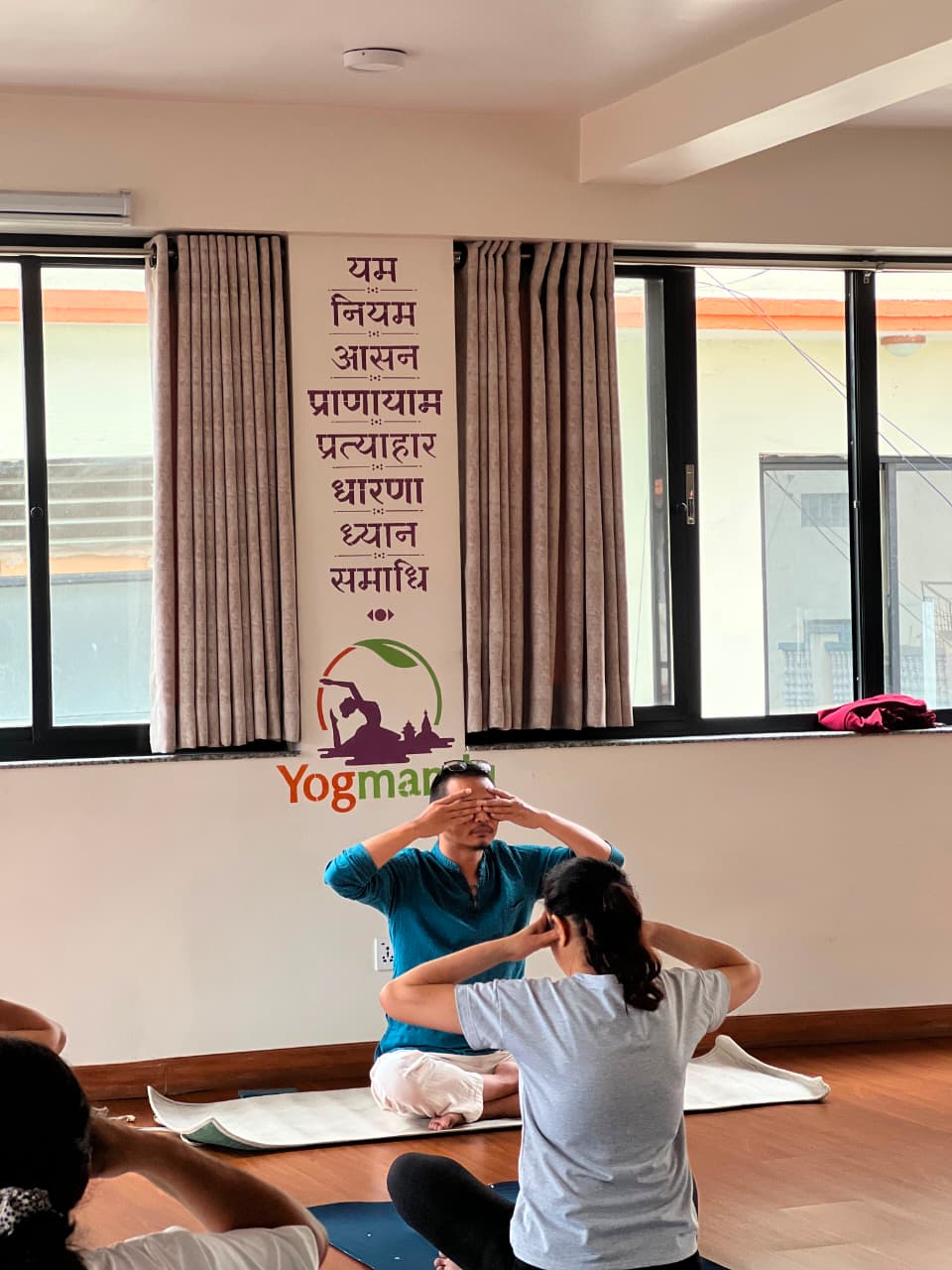
Retention practices and the advanced stages come only after the basics are steady. In the tradition Arjuna was trained in, eleven classical pranayamas are taught one at a time, in order.
The overlap is bigger than you think
Many modern techniques have pranayama equivalents:
Box breathing is close to sama vritti, equal-ratio breathing.
Slow, long-exhale breathing is the basis of Nadi Shodhana and Ujjayi practice.
Rapid breathing followed by retention resembles Kapalbhati and Bhastrika followed by kumbhaka (breath retention), which the yogic texts treat as advanced and teach with care.
What the research says
A well-known 2023 randomized trial from Stanford, published in Cell Reports Medicine, compared five minutes a day of three breathing practices with mindfulness meditation over a month. All three breathing practices improved mood, and cyclic sighing, which emphasizes long exhales, produced the biggest improvement in mood and the largest drop in breathing rate, more than meditation. The study relied mostly on self-reported mood, but it supports something pranayama teachers have long said: a slow, long exhale calms the nervous system.
Safety: where breathwork goes wrong
Gentle, slow breathing is safe for nearly everyone. Fast breathing and long breath holds are a different matter.
Never practice hyperventilation or breath holds in or near water, while driving, or standing up. People can faint without warning.
Tingling hands and lightheadedness during fast breathing are signs of over-breathing, not of "energy". Slow down.
Talk to your doctor first if you are pregnant or have high blood pressure, heart disease, epilepsy, glaucoma, or a history of panic attacks or psychosis.
Learn from a person, not just an app. Breathing technique is the part of yoga most often learned wrong, and it is almost impossible to self-correct. You cannot see your own shoulders rising on every inhale.
Which should you choose?
If you want a quick tool for a stressful moment, cyclic sighing or box breathing is fine to learn on your own.
If you want a practice that changes how you breathe all day and leads into meditation, learn pranayama properly, one technique at a time, with a teacher who can see you.
Arjuna teaches pranayama live online on US time zones and in person in Kathmandu. Sessions are live, not recorded, because breathing technique needs watching.
Questions people ask
Is pranayama the same as breathwork?
Pranayama is a kind of breathwork, the oldest systematic one. Not all breathwork is pranayama.
What is the best breathing exercise for anxiety?
Practices with a long exhale, such as cyclic sighing, Nadi Shodhana and Bhramari, are the usual starting points. If anxiety is severe, work with a clinician as well as a teacher.
How long should I practice each day?
Five to ten minutes of slow breathing every day does more than an hour once a week. Consistency matters more than intensity.
Study this in person
Classes, teacher training and retreats in Kathmandu, and live online sessions wherever you are.