Sound Bath Side Effects: What's Normal and Who Should Be Careful
November 9, 2026·3 min read
Most people get up from a sound bath feeling calm. Some feel dizzy, emotional or wiped out. Here is what is normal, what is not, and who should say something before the session starts.
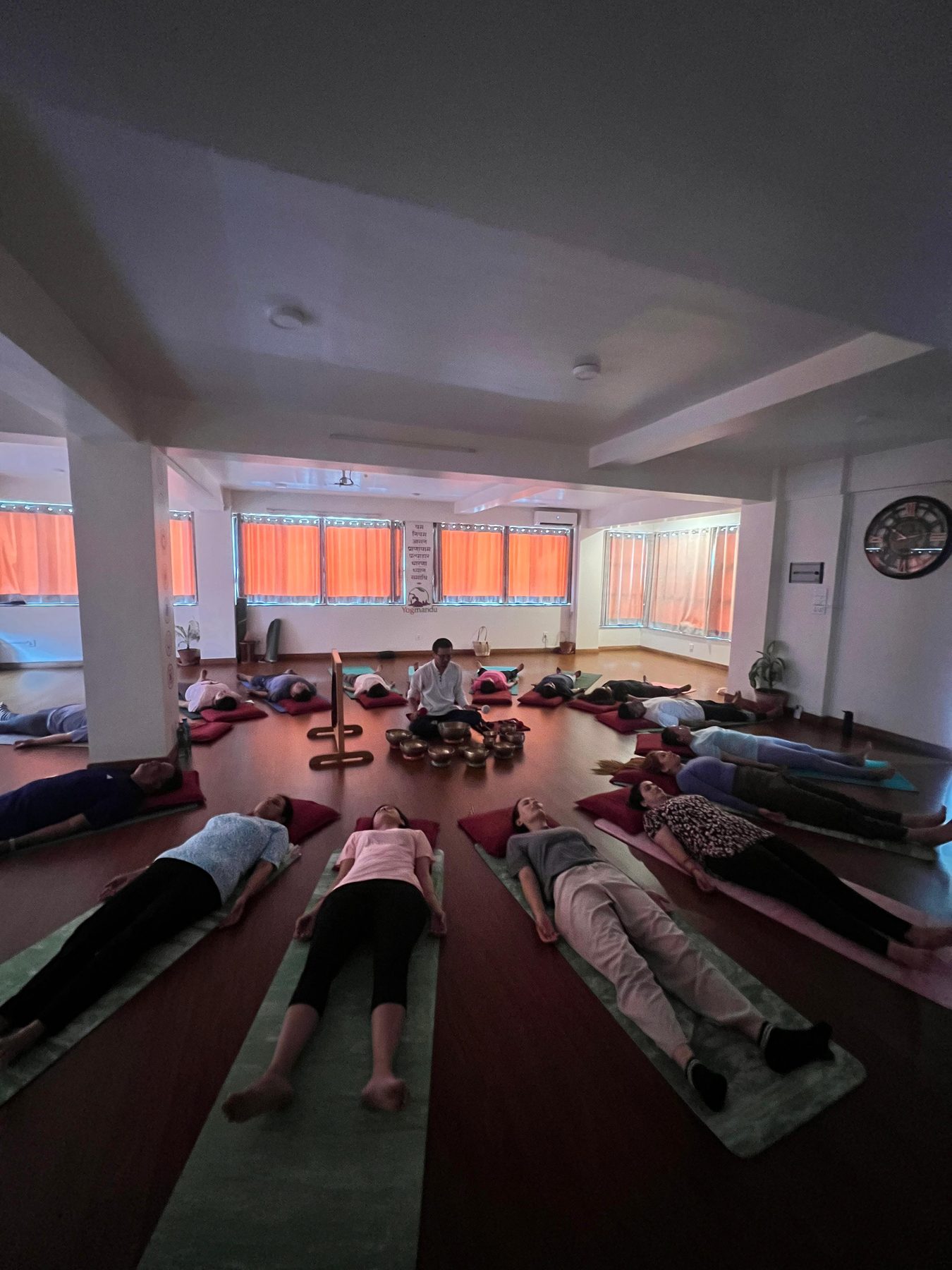
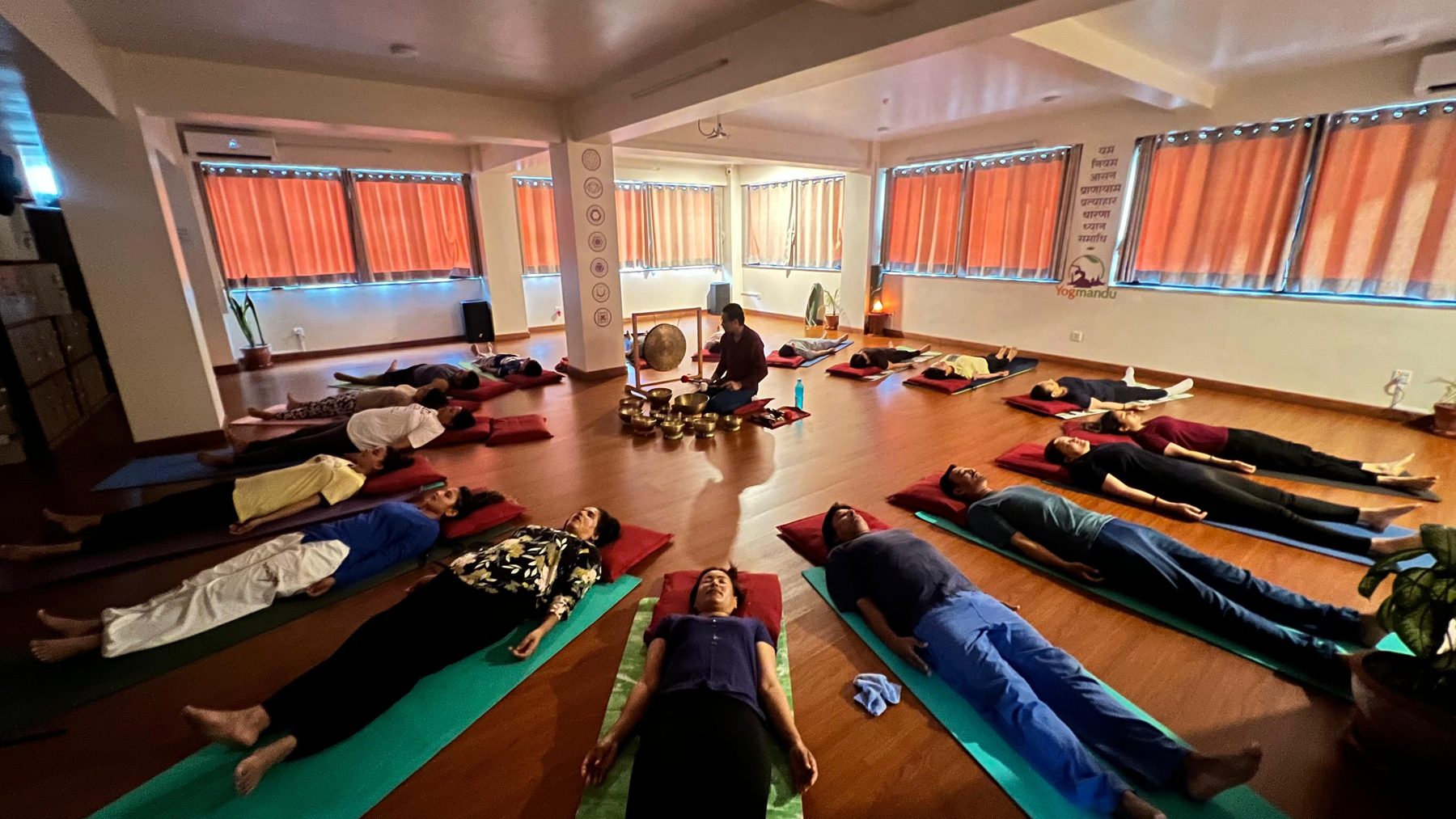
For most people, the only "side effect" of a sound bath is feeling deeply relaxed, sometimes sleepy. A minority feel lightheaded when they sit up, get emotional, feel tired for the rest of the day, or get a mild headache. These usually pass within hours. The people who should talk to the practitioner first are those who are pregnant, have epilepsy, have an ear condition or hearing aid, or are being treated for a psychiatric condition or trauma.
"Sound bath negative effects" has become a common search as sound baths have spread across US studios, and it is a fair question. Here is a straight answer from a school that runs them.
Common, usually harmless after-effects
Feeling lightheaded when you sit up
You have been lying still for an hour while your heart rate and breathing slowed. Standing up quickly can make you dizzy for a moment. Roll onto your side first, sit for a minute, then stand.
Tiredness
Some people feel heavy or sleepy for the rest of the day. This is common in people who have been running on stress for a long time; the body takes the chance to rest. Don't plan anything demanding straight afterward.
Emotional release
Tears, a lump in the throat, sudden memories. It happens more often than people expect, and it isn't a sign that anything has gone wrong. A good practitioner will make it easy to stay lying down until you are ready.
A mild headache
Usually from dehydration, lying in one position, or tension releasing from the jaw and neck. Drink water before and after the session.
Restlessness or irritation
Not everyone enjoys sound. Some people find a particular instrument grating, or can't settle at all. It is fine to open your eyes, change position or leave.
Who should tell the practitioner first
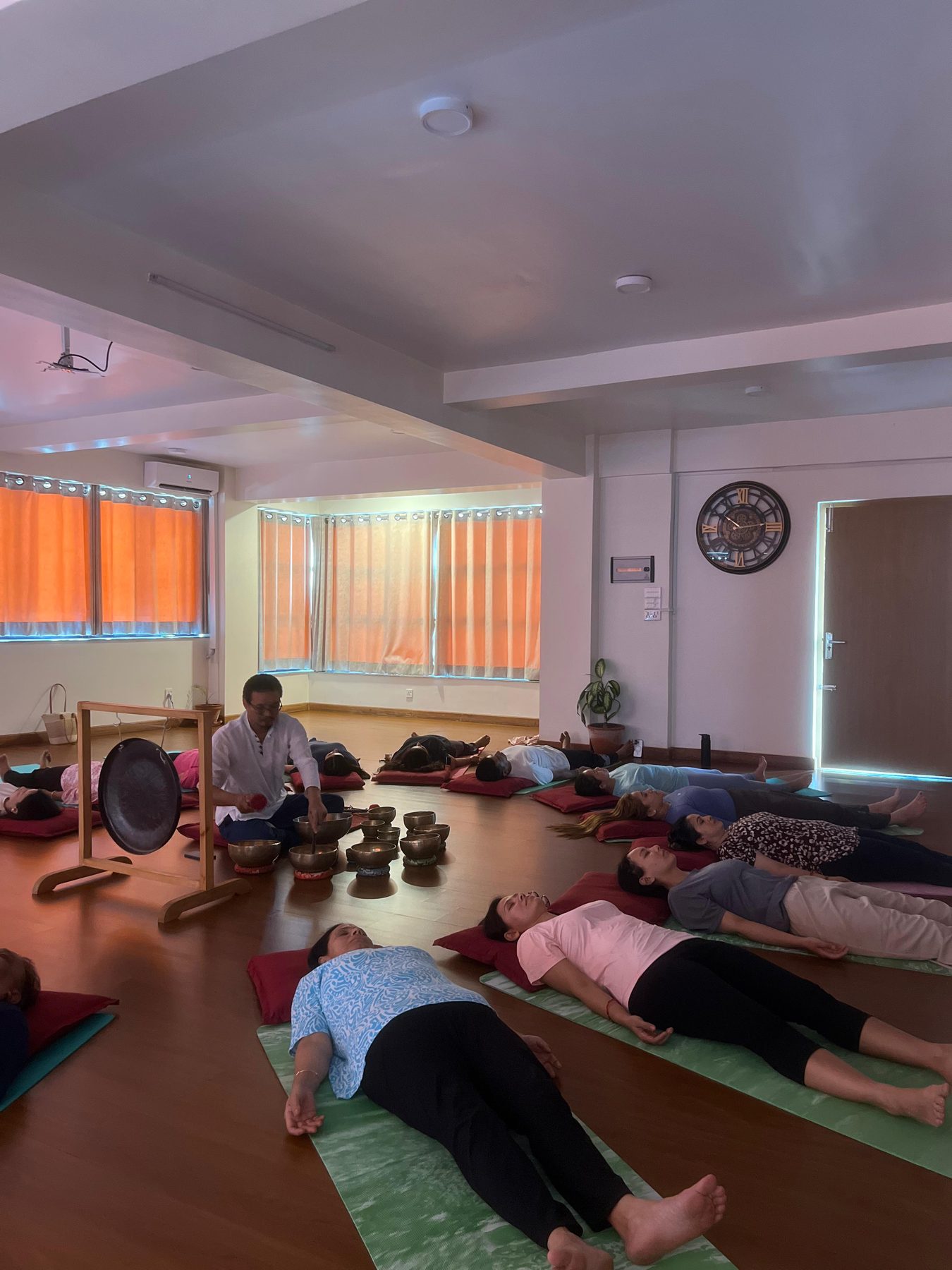
These don't rule you out. They change how the session is run.
Pregnancy. Bowls are usually kept off the abdomen, and the practitioner may keep loud, low gong work to a minimum.
Epilepsy. The practitioner needs to know so they can adapt the session and keep it predictable.
Ear conditions, tinnitus or hearing aids. Loud gongs and bowls close to the head can be uncomfortable. The practitioner can keep the volume down and play farther from your ears.
Psychiatric treatment or a history of trauma. Deep relaxation can bring difficult material to the surface. A trauma-informed practitioner will keep things predictable and let you stay in control.
Metal implants or a pacemaker, if bowls are to be placed on the body. Mention it so placement can avoid that area.
Signs something isn't right
Stop and tell the practitioner if you have:
dizziness that does not pass after sitting up
a severe or worsening headache
ringing in the ears that lasts
a sense of panic that keeps building
These are uncommon. If any of them persist after the session, see a doctor.
How to have a good first session
Eat lightly an hour or two before, not a large meal.
Drink water before and after.
Wear comfortable clothes. You stay fully clothed throughout.
Tell the practitioner about anything on the list above.
Leave time afterward. Don't rush to a meeting or drive straight onto a highway.
What sound baths are, and aren't, good for
The research is encouraging but limited. A 2025 systematic review of singing bowl studies found consistent signs of reduced anxiety and improved heart rate variability, while noting the evidence was low to moderate in certainty and the studies were small. That supports using sound baths for rest and stress relief. It does not support using them to treat illness. Sound healing is a complement to medical care, not a substitute for it.
Read more about the difference between a sound bath and one-to-one sound healing, or see the twelve sound therapies Arjuna offers in Kathmandu.
Questions people ask
Can a sound bath damage your hearing?
At normal volumes, no. Very loud gong playing close to the head can be uncomfortable, especially for people with tinnitus. Ask for the volume to be kept down if you are sensitive.
Why did I cry during a sound bath?
Deep relaxation lowers your guard. Emotions that have been held down often surface when the body finally stops bracing. It is common and usually passes quickly.
How often is it safe to do a sound bath?
There is no set limit. Many people go weekly. If you feel wiped out afterward, space sessions further apart.
Study this in person
Classes, teacher training and retreats in Kathmandu, and live online sessions wherever you are.